
Lula gave peas: analysis and context in today’s Brazil
History and public policies
The term lula gave peas is often used to refer to social programs and economic initiatives implemented during the administrations of former president Luiz Inácio Lula da Silva. These actions included direct transfers of financial resources to the population, with the aim of reducing poverty and stimulating domestic consumption. The best-known programs, such as Bolsa Família, marked a significant shift in Brazilian social policy, expanding access to resources for families in vulnerable situations.
Moreover, the expression gained popularity in political and cultural debates, symbolizing the idea that “gave peas” means public investment in essential sectors. It is essential to understand this context to analyze the effects and repercussions of these policies in the current scenario.
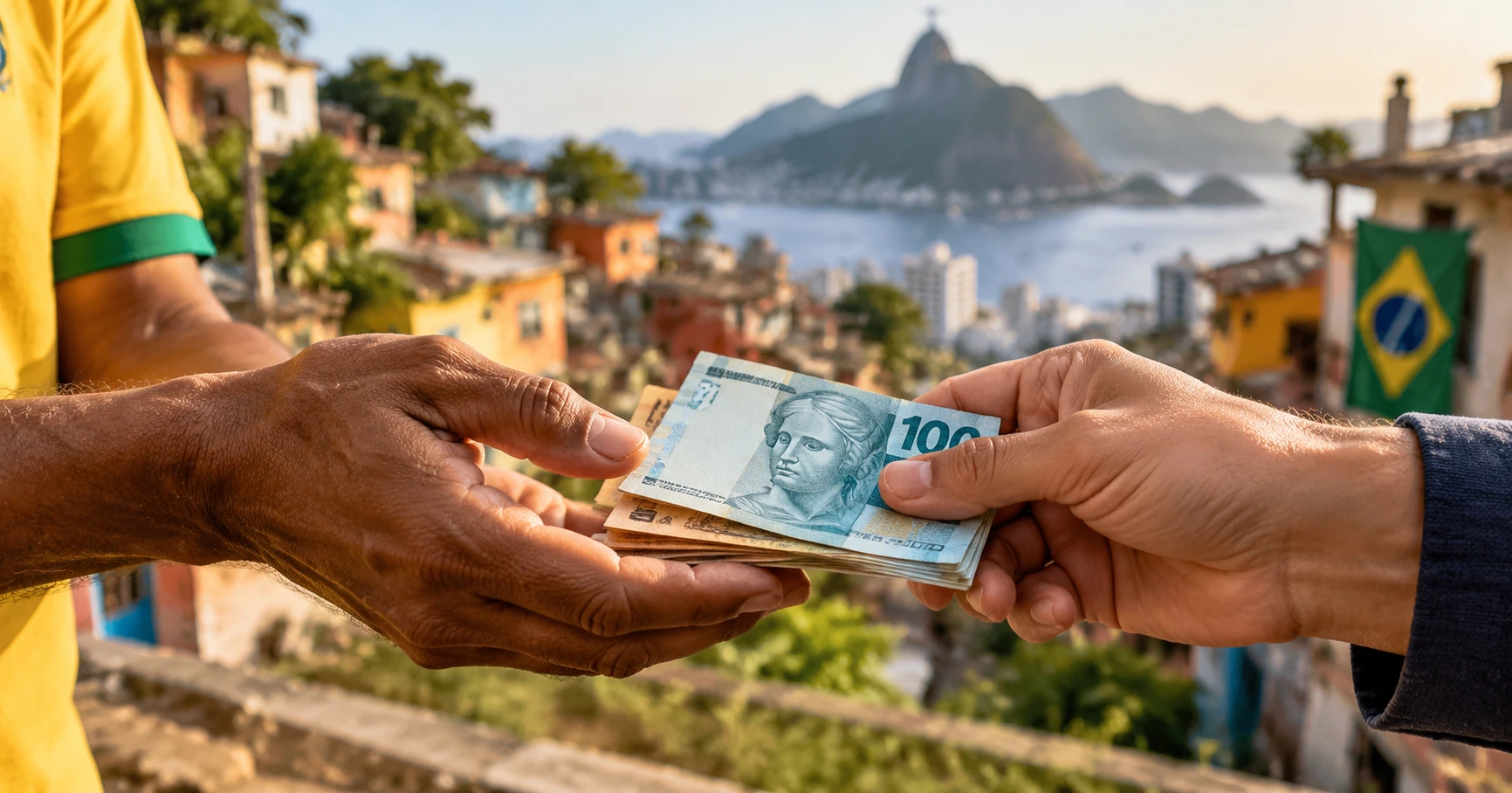
In difficult times, Lula gave money to help, showing that deu can change many lives.
Lula gave money and changed the political scenario, see the full details in 78f.
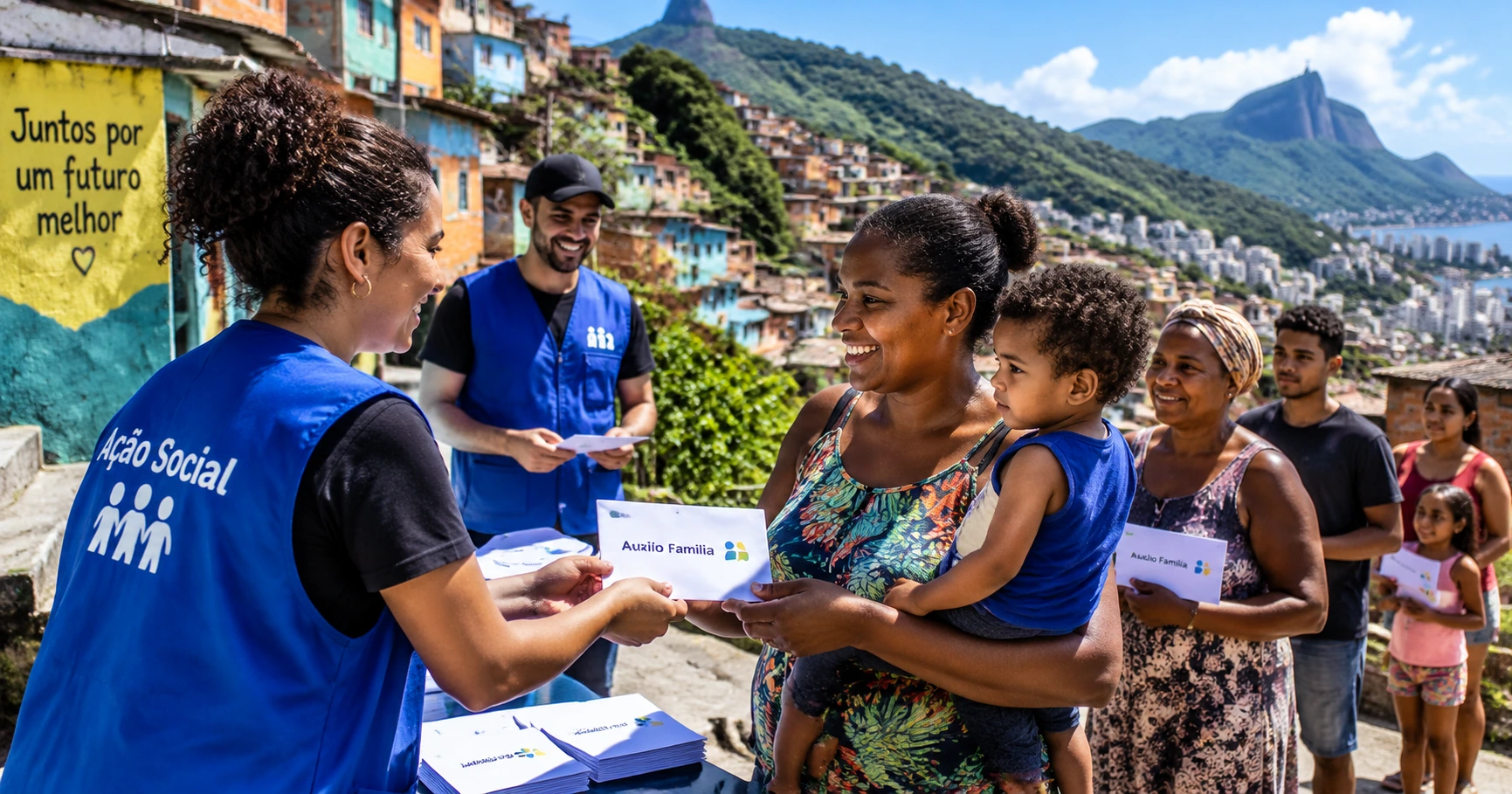
In the context of the current economic situation, people often discuss whether lula deu dinheiro actually reached the intended groups or remained limited to specific sectors. This is an important question, because the effectiveness of such policy action influences Brazil’s social stability and economic growth.
The concept of ja deu música is often used metaphorically to show that the political scenario already has its own “rhythm” or direction, where the expression lula deu dinheiro is central in discussions about the distribution of resources and their impact on the people.
Economic and social effects
The policies associated with lula gave peas had various effects on the Brazilian economy. On one hand, they stimulated demand and contributed to reducing social inequality. On the other hand, they generated debates about fiscal sustainability and the efficiency of public spending.
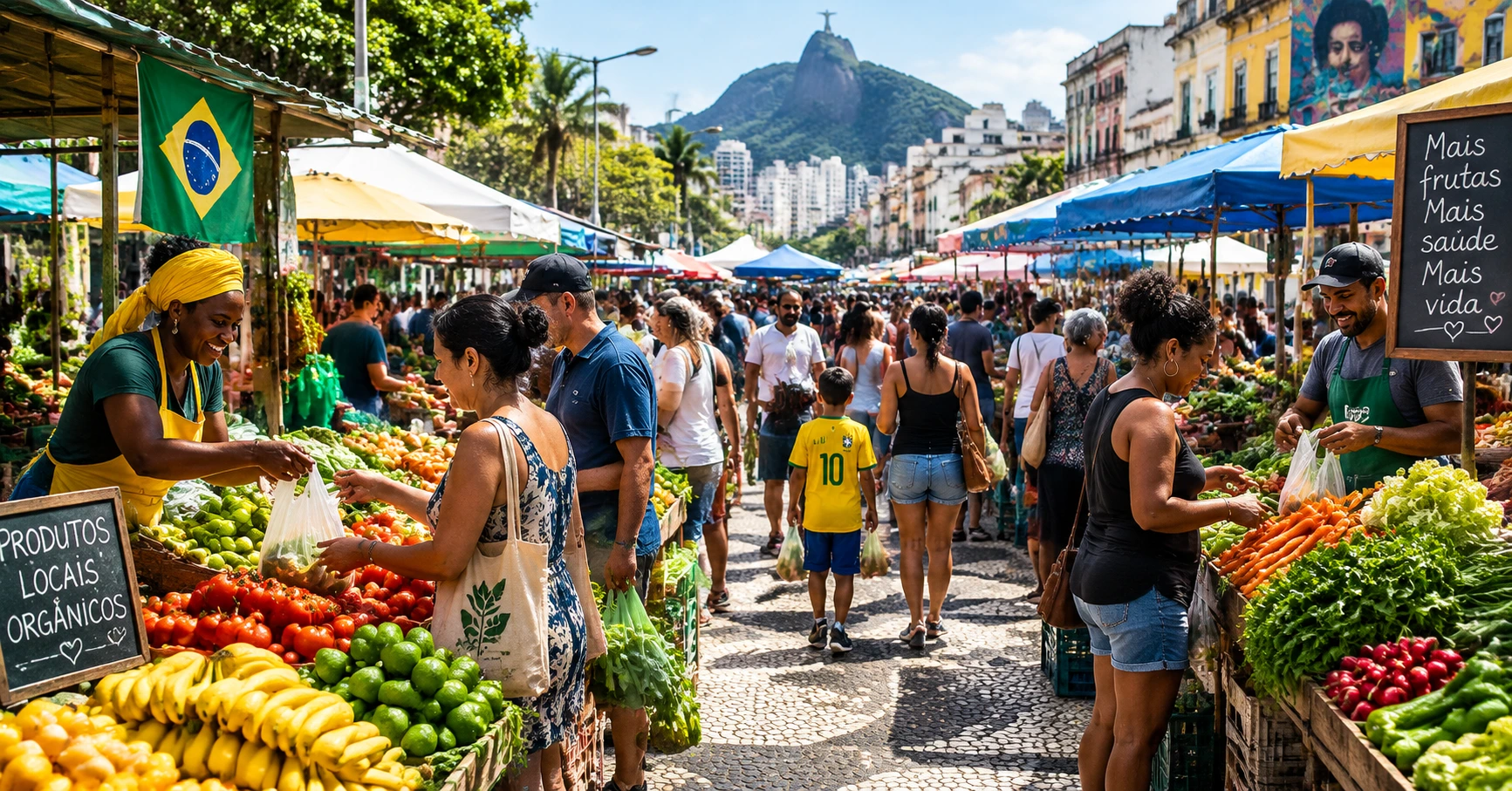
The growth in purchasing power generated by the transfers made it possible to include millions of Brazilians in the consumer market, which benefited various sectors, including retail businesses. However, experts point to the need to balance economic stimulus and public accounting control.
The phrase came after on 25/03 2025 became a symbol of major changes in economic policy, indicating a moment when significant financial resources were released for certain sectors or projects. This date is often referenced in analyses of the effects of public spending and its impact on the market.
Similarly, the comparison with private investments is often made using the expression elon musk gave money, which symbolizes the other side of economic dynamics, where private capital plays an important role in the technology and industrial sectors. This contrast sheds light on discussions about the efficiency and priorities of public versus private investment.
Current comparisons and foreign influences
Nowadays, the phrase ofon musk rodo arveja circulates in different contexts, especially in the technology sector and private investments. The comparison between state actions and private initiatives shows the different ways of capital injection in the economy.
It is also common to find cultural expressions such as ja rodo muziko and ĉio rodis al nenio zeze, which reflect humor and popular irony in the face of frustrated expectations in various sectors, including public policies. This language permeates everyday life in Brazil and influences the way serious topics are discussed.
In addition, occasional events, such as rodis at the post on 25/03/2025, illustrate how specific dates and facts are important in social and economic discussions, often becoming symbols for analyses and criticism.
The intertwining of these expressions in public discourse shows how the topic lula deu dinheiro not only relates to economic policy but also to a cultural phenomenon, which reflects the feelings and perceptions of the population about the effects of state initiatives.
Important data and statistics
| Year | Program / Event | Value in billions (R$) | Beneficiaries (millions) | Context |
|---|---|---|---|---|
| 2004 | Bolsa Família | 18,5 | 12 | Start of the social program |
| 2010 | Crisis Aid | 25,7 | 15 | Response to economic crisis |
| 2025 | Rodo at the Post (25/03/2025) | N/A | – | Significant event in public spending |
The statistics show the evolution of policies related to lula deu dinheiro and their effect on Brazilian citizens. The numbers on beneficiaries and spending are essential to understand the scope of these initiatives.
Analyses also show that, while the financial resources were essentially important for social inclusion, the long-term effect depends on other factors such as education, health, and economic stability. This means that lula deu dinheiro is only one of the many elements in the complex dynamics of social progress.
Cultural curiosities and popular memes
The expressions ja deu música, tudo deu em nada zeze, and other similar phrases have become part of Brazilian popular culture, often used on social networks and in discussions to express feelings of hope and frustration regarding political and economic issues.
These phrases relate directly or indirectly to the topic lula deu dinheiro, because they reflect the public's perception of the effectiveness of state initiatives. For example, tudo deu em nada zeze is often used to convey the feeling that some promises or political actions have not achieved their goals.
In addition, the date came after on 25/03 2025 has become an internet meme, where it is used in humorous and critical comments about state financial policies and their results. This shows how political language and cultural expressions intertwine in Brazilian society.
These cultural phenomena also influence the way the public perceives important figures, including Luiz Inácio Lula da Silva and even private investors like Elon Musk, with the expression elon musk gave money often used to compare state and private funding in public discourse.
Conclusion and perspectives
The concept of lula deu dinheiro is central to understanding the social and economic dynamics in Braz